
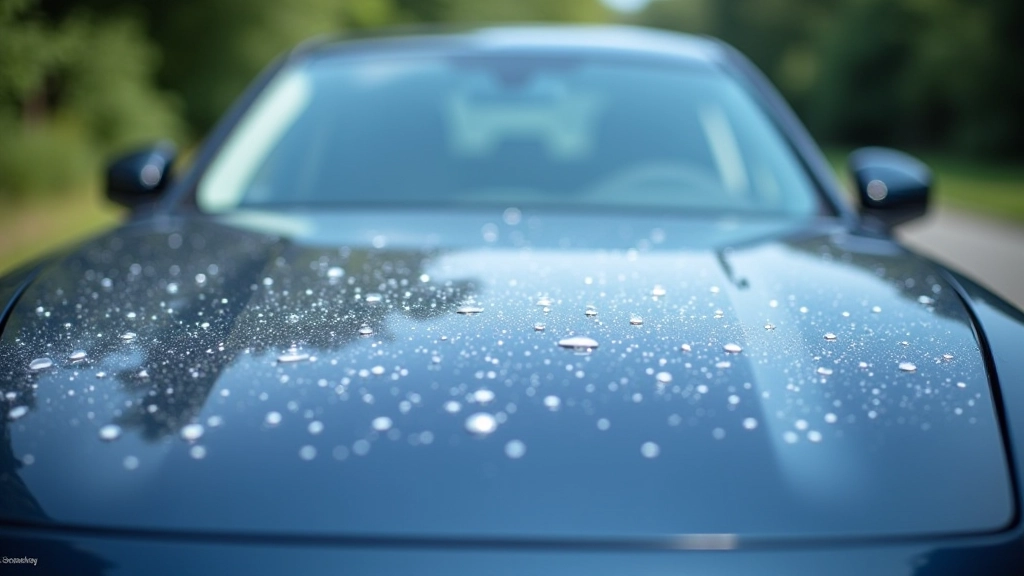
Assessing Hail Damage on Your Car
What to look for after a hailstorm. We break down how to identify damage, when PDR is suitable, and what your insurance needs to know.
Read moreUnderstanding the PDR process — from initial assessment to final finishing. We explain the tools, techniques, and why this method preserves your vehicle's value.
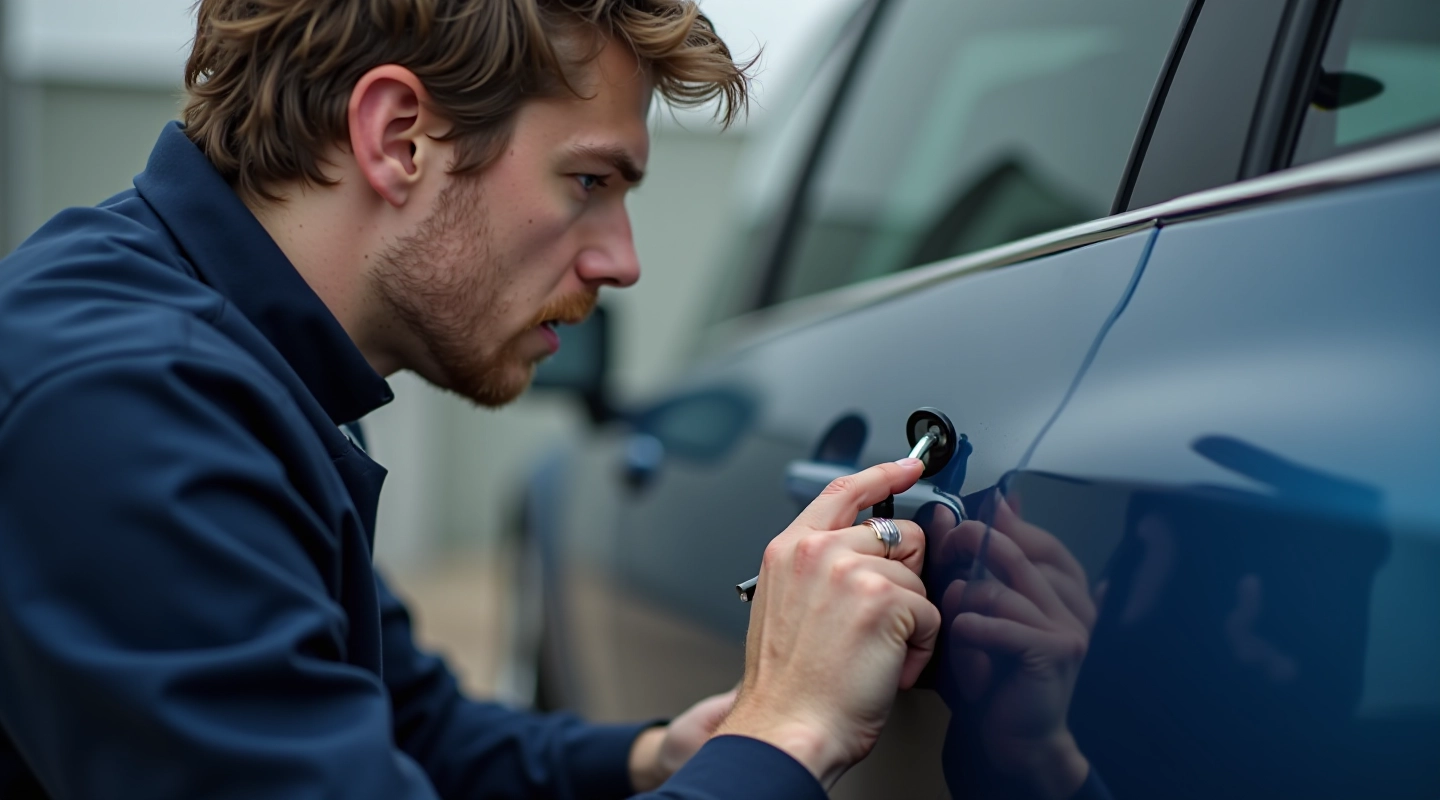
Paintless Dent Removal — or PDR — is a technique that removes minor to moderate dents without affecting your car's original paint. It's not magic, but it's close. Instead of sanding, filling, and repainting, technicians use specialized tools to gently massage the metal back into shape from behind the panel.
The process works because metal has memory. When you dent a panel, the metal doesn't actually break — it just gets compressed and displaced. By accessing the back of the panel and applying precise pressure, we can gradually work the metal back to its original form. This preserves your factory paint, which is worth a lot more than you might think.
Here's exactly what happens when you bring your car in for paintless dent removal.
Our technician examines the dent carefully. We check the depth, location, and whether the paint is cracked or intact. If the paint's damaged, PDR won't work — we'll recommend traditional repair instead. We're honest about what's possible.
Depending on the location, we may need to remove trim pieces, lights, or interior panels to access the back of the damaged area. This takes time but it's necessary — we need room to work properly.
Using specialized rods and knockdown tools, we apply pressure from behind the panel. The work is precise — tiny adjustments matter. Some dents need 30 minutes, others take 2-3 hours. We're patient and methodical, not rushing.
Once the dent is worked out, we use a light source and feeling — a lot of tactile feedback — to make sure the panel is perfectly smooth. We reassemble everything and inspect the result thoroughly.
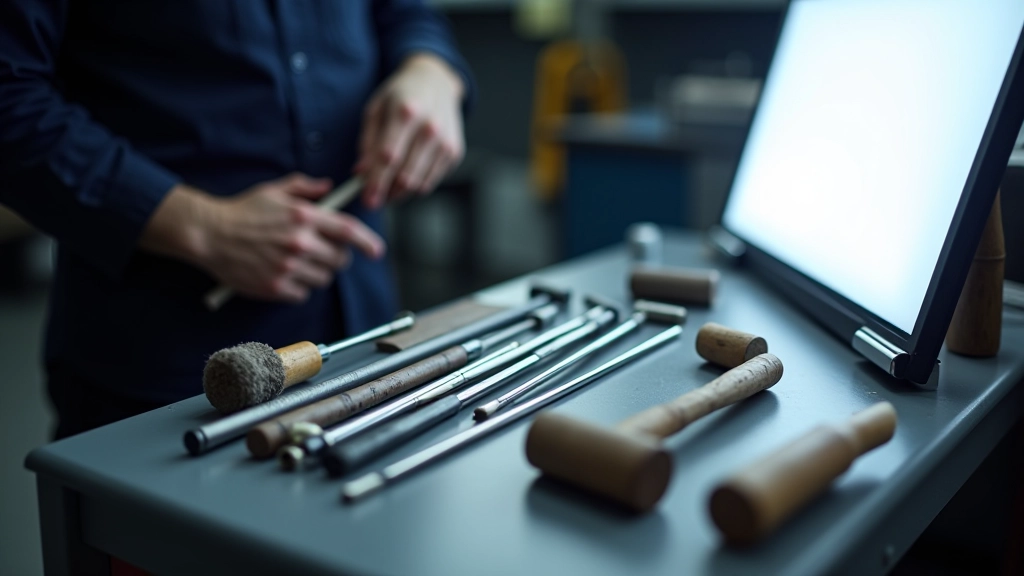
PDR isn't about hammers and body filler. The tools are specialized and expensive — which is why quality matters.
Various lengths and tip shapes. Each one is designed for specific panel geometries and dent types. A 24-inch rod works differently than a 40-inch rod.
Used from the front. They transfer the impact precisely to gradually flatten the dent. The weight and shape matter tremendously.
Creates reflected light lines across the panel surface. This shows every ripple and imperfection. It's like a magnifying glass for the human eye.
For certain dents on steel panels, we apply special adhesive and use a pulling mechanism. This works well for dents in the middle of large, flat surfaces like roof panels or doors.
PDR is powerful, but it's not a cure-all. Being honest about limitations is part of what we do.
If the paint is cracked, chipped, or scratched, PDR won't fix it. You'll need repainting. But if the dent is minor and paint is intact, we can work with it.
A sharp crease — where the metal actually folds on itself — is harder to fix. The metal has permanent strain and doesn't want to go back to flat. Sometimes we can improve it, but perfection isn't always possible.
Dents larger than 4-5 inches across become harder to work with. The metal stretches more, and the metal memory isn't as reliable. Very large damage usually needs traditional repair.
Some panels don't have access from behind. Certain aluminum panels or reinforced areas can be impossible to reach with our tools. We'll tell you upfront if a dent is unreachable.
This guide is educational information about paintless dent removal techniques and processes. Every vehicle and dent is unique, and results depend on many factors including dent depth, location, paint condition, and metal type. What we've described here reflects general PDR practices, but your specific situation may vary. Always have a qualified technician inspect your vehicle before making repair decisions. This guide is not a guarantee of results or a substitute for professional assessment.
Explore more about dent repair and vehicle care.
What to look for after a hailstorm. We break down how to identify damage, when PDR is suitable, and what your insurance needs to know.
Read more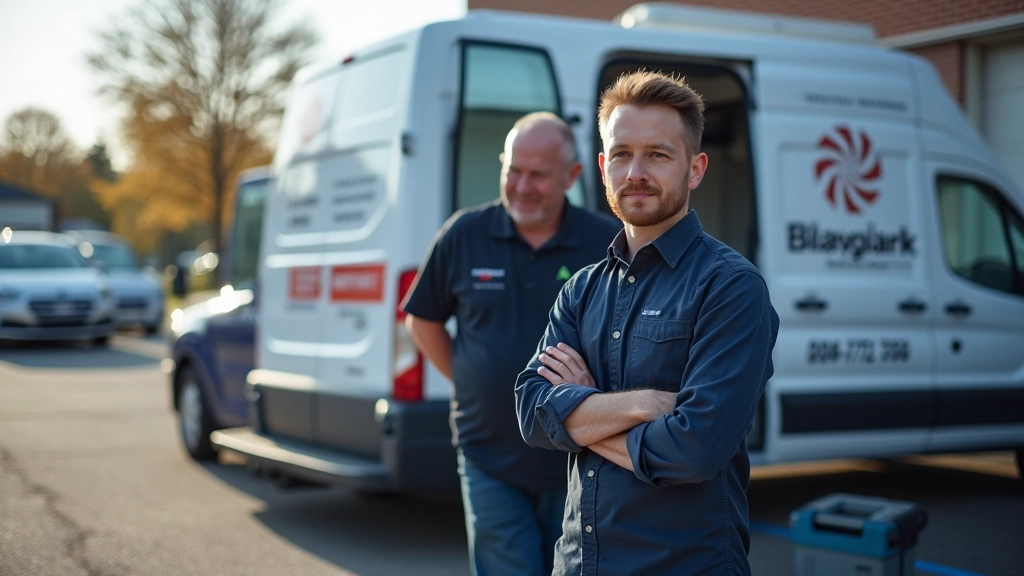
How our mobile service works — we come to you. What to expect during the appointment, how long it takes, and why convenience matters.
Read more
Post-repair care matters. Learn about paint protection options, maintenance routines, and how to keep your car looking fresh.
Read more
About the Author
Editorial Team
Written by the lumixtrex editorial team, focused on clear, practical guidance about paintless dent repair and hail damage solutions.
PDR isn't just about removing dents — it's about preserving what you've already paid for. Your factory paint, your original finish, your vehicle's integrity. When done right, it's faster and cheaper than traditional repair, and it keeps your car's resale value intact.
Not every dent is a candidate for PDR, and that's fine. The important thing is having someone assess your damage honestly and explain your options clearly. If you've got a dent and want to know if PDR is right for you, reach out. We'll give you a straight answer.